Dubai’s most sought-after real estate revealed by residents
New poll finds that 93 percent of UAE residents are willing to pay a premium for seafront homes.
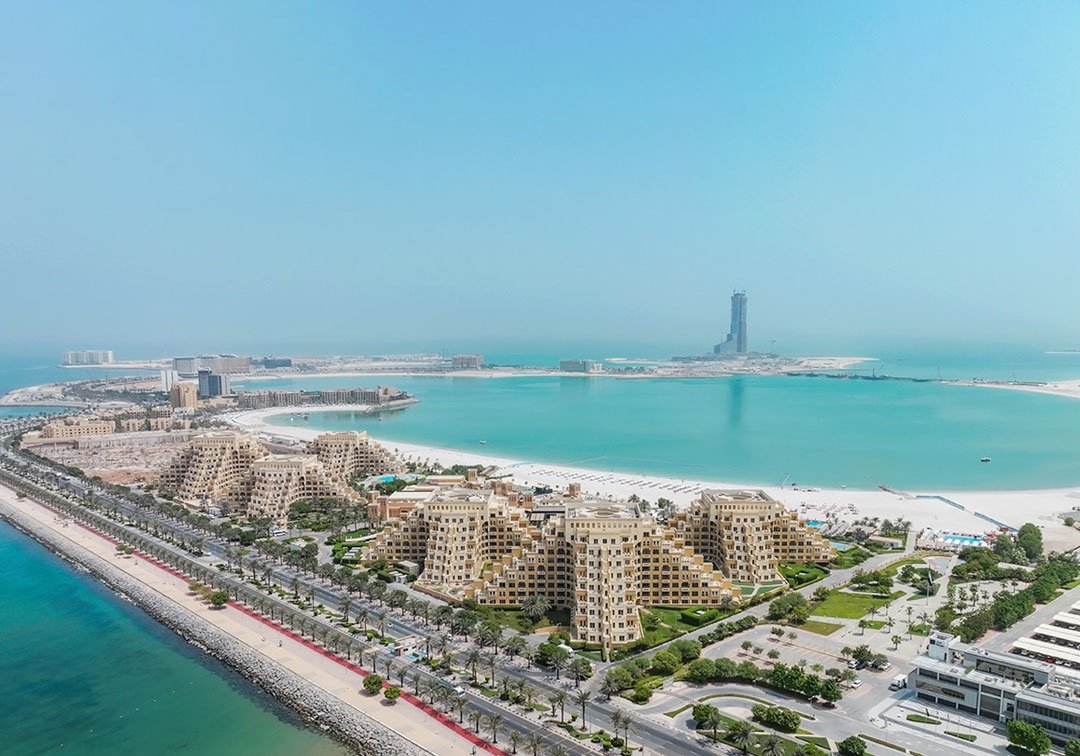
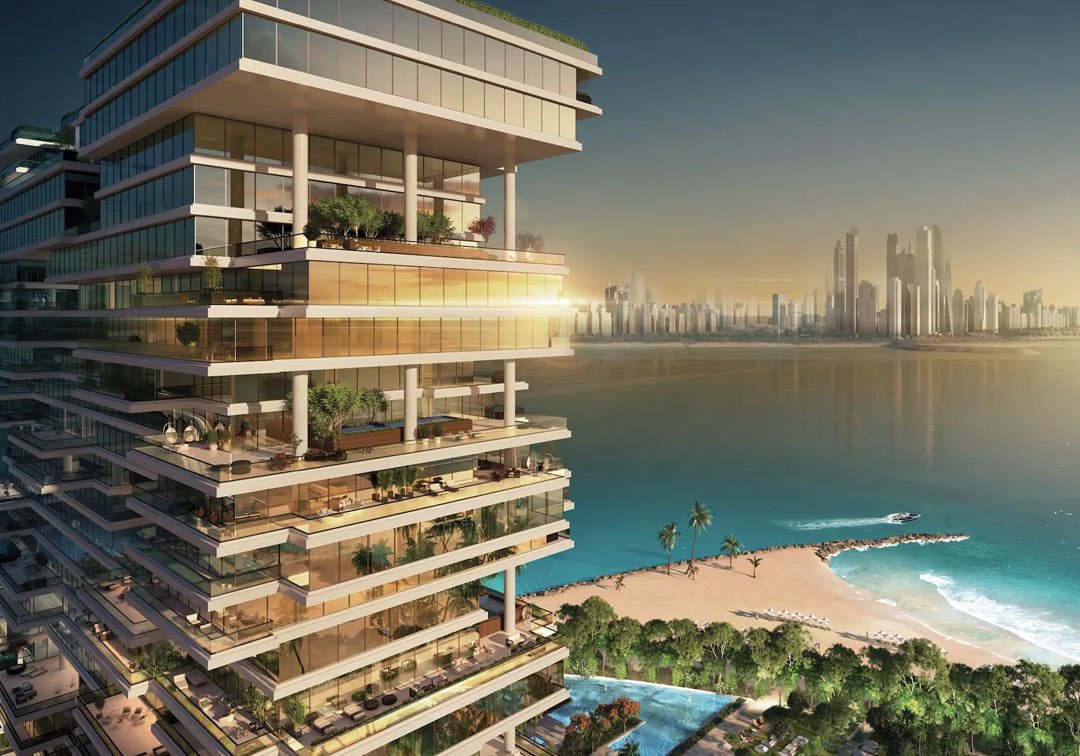
Dubai waterfront properties are seeing an unprecedented rise in demand as residents show interest in sea facing homes, increasingly linking proximity to the sea with wellbeing, lifestyle and long-term property value
Among 1,009 UAE residents with monthly household incomes of at least AED20,000, 82 percent are considering moving to a seafront or marina community within the next two to three years, according to new research commissioned by Shamal Holding.
Almost all respondents said they would pay a premium for a home on the seafront, while 99 percent said living near water increases a property’s long-term value.
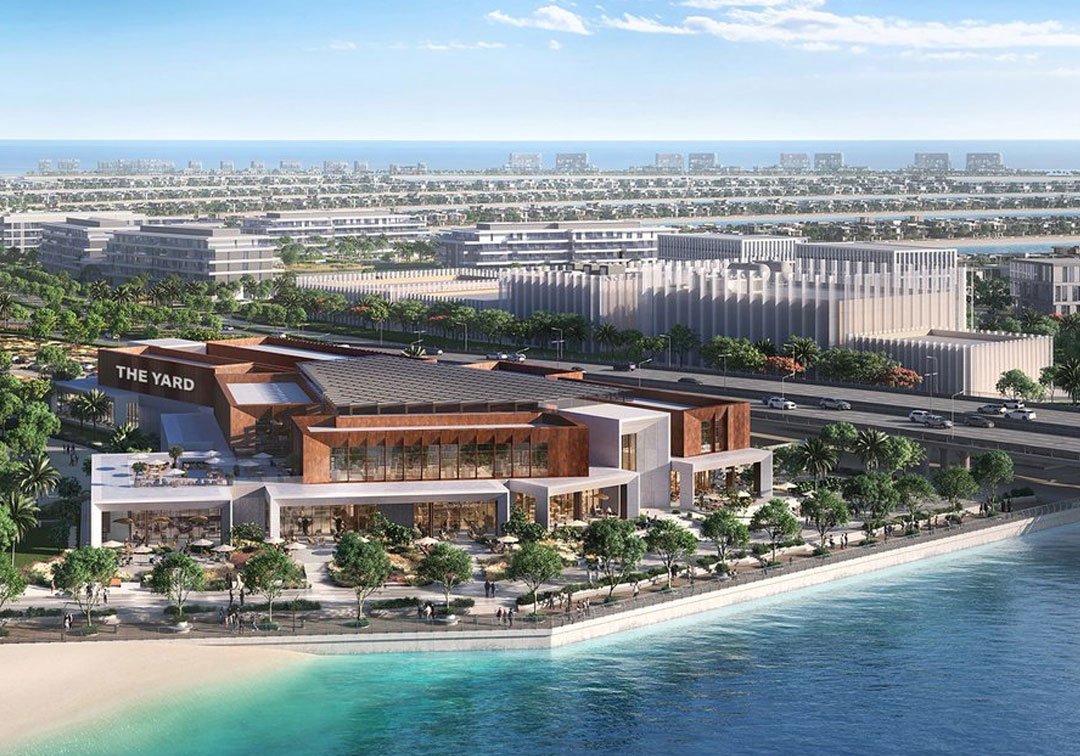
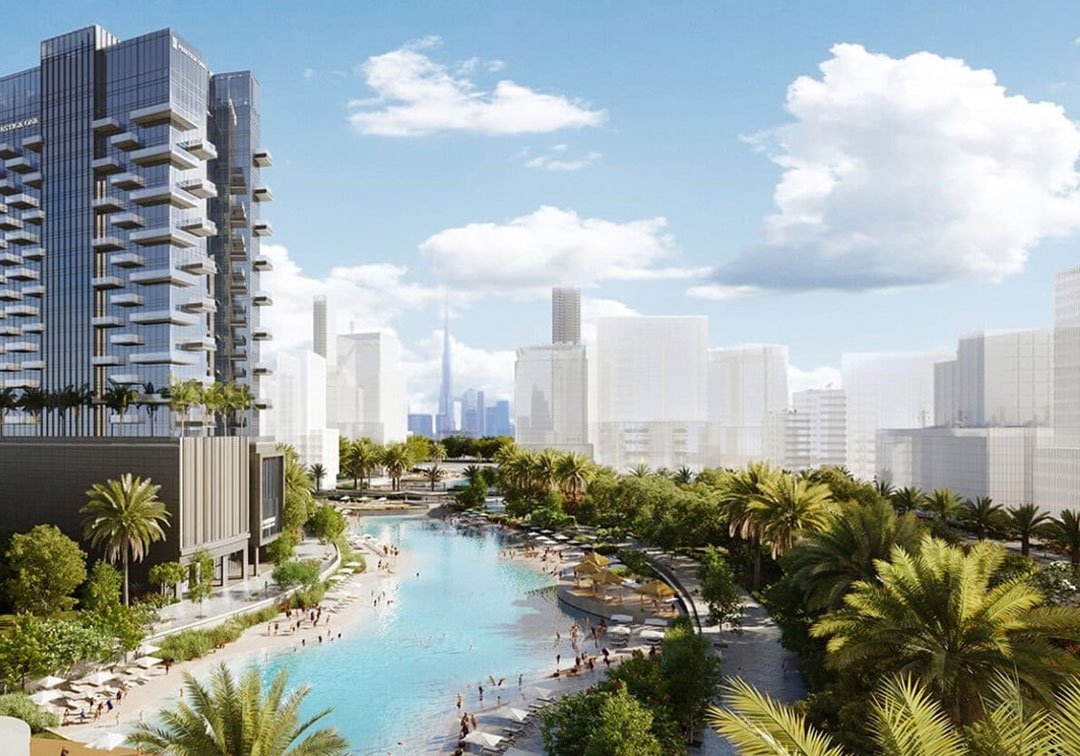
The findings add to the demand case for waterfront areas as Dubai developers continue to ramp up offerings in new marina, beach and island communities.
Dubai seafront homes draw lifestyle-led demand
The research found that 45 percent of respondents preferred coastal and marina environments over high-density urban areas.
Nearly half ranked meaningful and nature-connected living as the leading marker of a desirable home, ahead of design trends at 40 percent and social prestige at 33 percent.
Ninety-six percent of respondents said proximity to water influences daily decisions, including travel choices, exercise routines and stress management.
Walking at sunset was the most common activity associated with seafront access, cited by 60 percent of respondents. Sitting by marinas was cited by 53 percent, followed by beachside leisure and dining at 51 percent.
Eighty-eight percent said they would adapt their physical wellbeing routines if they had regular access to seafront walkways, marinas or sea views from home.
Waterfront living linked to wellbeing
Ninety-one percent of respondents said they feel more relaxed near water, while 88 percent said seaside living meaningfully improves their mental and physical wellbeing.
Respondents associated waterfront access with relaxation, quiet space, uplifting emotion, stronger links to nature and greater personal balance.
The data was published through Shamal Holding’s Future of Seafront Being initiative, which brings together consumer research and expert views on waterfront communities, urban planning and real estate demand.
Abdulla Binhabtoor, Chief Executive Officer of Shamal Holding said, “In Dubai, our relationship with the sea has always shaped our identity and ambition. We believe that Seafront Being is the evolution of seafront living, from simply residing by the water to experiencing the waterfront as an integrated part of daily life, work, leisure, wellbeing and belonging.”
“At Shamal, we see this as a responsibility of design, not a benefit of position.”
Dubai quality of life strategy shapes property demand
The study was positioned alongside the Dubai Quality of Life Strategy 2033 and Dubai 2040 Urban Master Plan, both of which place greater emphasis on public spaces, walkability, access to nature and liveability.
For developers and investors, the findings suggest waterfront demand is increasingly being driven by more than views and branded residences.
The willingness to pay a premium is tied to a broader shift in how buyers assess homes, with access to outdoor space, nature, wellness infrastructure and community amenities becoming more central to long-term purchasing decisions.
Binhabtoor said, “As prime coastal land becomes increasingly scarce, our focus remains on creating places that enrich lives today and endure for generations to come.”
“The Future of Seafront Being is our contribution to a much larger conversation, about how Dubai, and cities everywhere, can be shaped around how people actually want to live.”
Credits & Disclaimer: This article are credited to the Associated Press, it's authors and editors. Likewise, the images are for illustration purposes only and credited all to their respective owners. The accuracy of the article is subject from the information grabbed from the sources at the time of posting this article.