DIFC reaches highest-ever finance ranking as it enters global Top 10
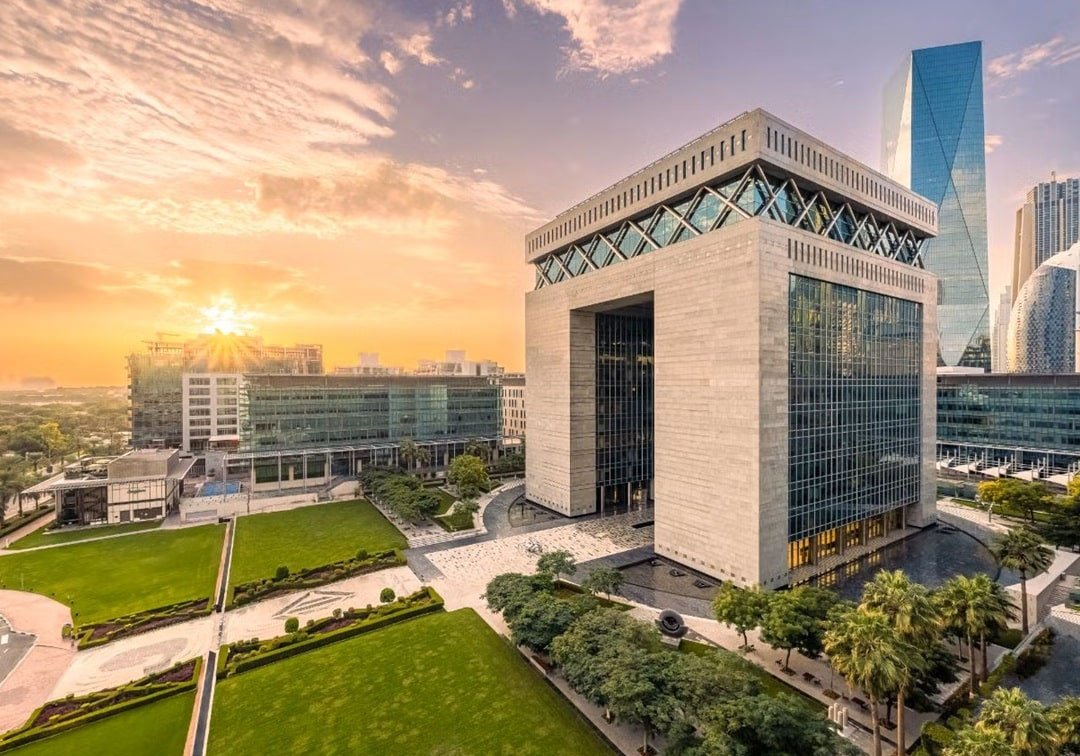
Dubai International Financial Centre climbed to seventh place globally in the Global Financial Centres Index, which is its highest ranking to date.
Dubai International Financial Centre has entered the global top 10 in the Global Financial Centres Index for 2026.
In 2025, DIFC was ranked in 12th position.
However, strong growth and expansion over the last 12 months has elevated DIFC into the top 10 for the first time ever, climbing to 7th place overall.
The number of regulated firms now operating under the auspices of DIFC has surpassed 1,000 for the first time ever.
The total number of entities is 1,050.
The Dubai Financial Services Authority said it licensed and registered 182 new firms during 2025, which represented a 16 per cent increase from the previous 12 months.
Economic Growth:
The report indicated that Dubai’s ambitious D33 Agenda and DIFC 2030 strategy were key vehicles for growth.
There was widespread expansion across banking, wealth and asset management, insurance, capital markets and fintech.
Dubai wants to be one of the world’s top four financial centres by 2033.
Fadel Al Ali, Chairman of the DFSA, said their strategy was firmly aligned with that of the Dubai leadership when it comes to continued economic growth.
“The Dubai Financial Services Authority (DFSA) continues to support the rapid growth of Dubai International Financial Centre (DIFC), in line with the Dubai Economic Agenda (D33) and DIFC 2030 strategies, which seek to position the Emirate as a global top four hub for finance, investment, and innovation by 2033,” said Al Ali.
Al Ali also outlined how it was their third consecutive year of growth.
“In 2025, we welcomed 182 regulated entities into our jurisdiction, bringing the total number to 1,050 – our third consecutive year of double-digit growth. Today, this dynamic and thriving ecosystem includes the vast majority of global systemically important banks (G-SIBs), as well as an extensive network of wealth and asset managers, capital markets firms, banks, insurers, auditors, and professional services firms,” said Al Ali.
Global Hedge Funds:
Over the last 12 months, DIFC also strengthened its position as a global hedge fund destination.
DIFC is now home to 87 hedge funds, including two of the world’s largest.
Wealth and asset management is a key component in the DIFC portfolio.
The number of authorised fund management firms has increased to 121, while the total number of funds reached 276.
Assets under management grew by 4 per cent to $176bn, while assets under advisory jumped by 22 per cent to $220bn.
Private banking assets under advisory rose by 23 per cent to $103.8 billion, with the client base exceeding 14,000.
Technology and Regulation:
Unsurprisingly, the report demonstrated a huge increase in the adoption of AI amongst entities operating in the DIFC.
Last week, DIFC announced it was putting out new AI governance laws for consultation.
More than half of regulated firms, or 52 per cent, reported using AI during 2025, compared with 33 per cent in 2025, while adoption of generative AI increased by a staggering 166 per cent year on year.
“In times of uncertainty, investors look for jurisdictions like DIFC with strong risk-based regulatory frameworks and approaches, institutional depth, and long-term strategic credibility,” said Mark Steward, Chief Executive of the DFSA.